What Does an Odoo Implementation Really Cost?
“How much does an Odoo implementation cost” is one of the most searched questions by manufacturers evaluating ERP — and one of the hardest to answer honestly, because most published numbers either lowball the real scope or bundle in enterprise-scale assumptions that don’t apply to a smaller manufacturer. Here’s a realistic breakdown.
Why There’s No Single Number
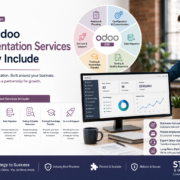
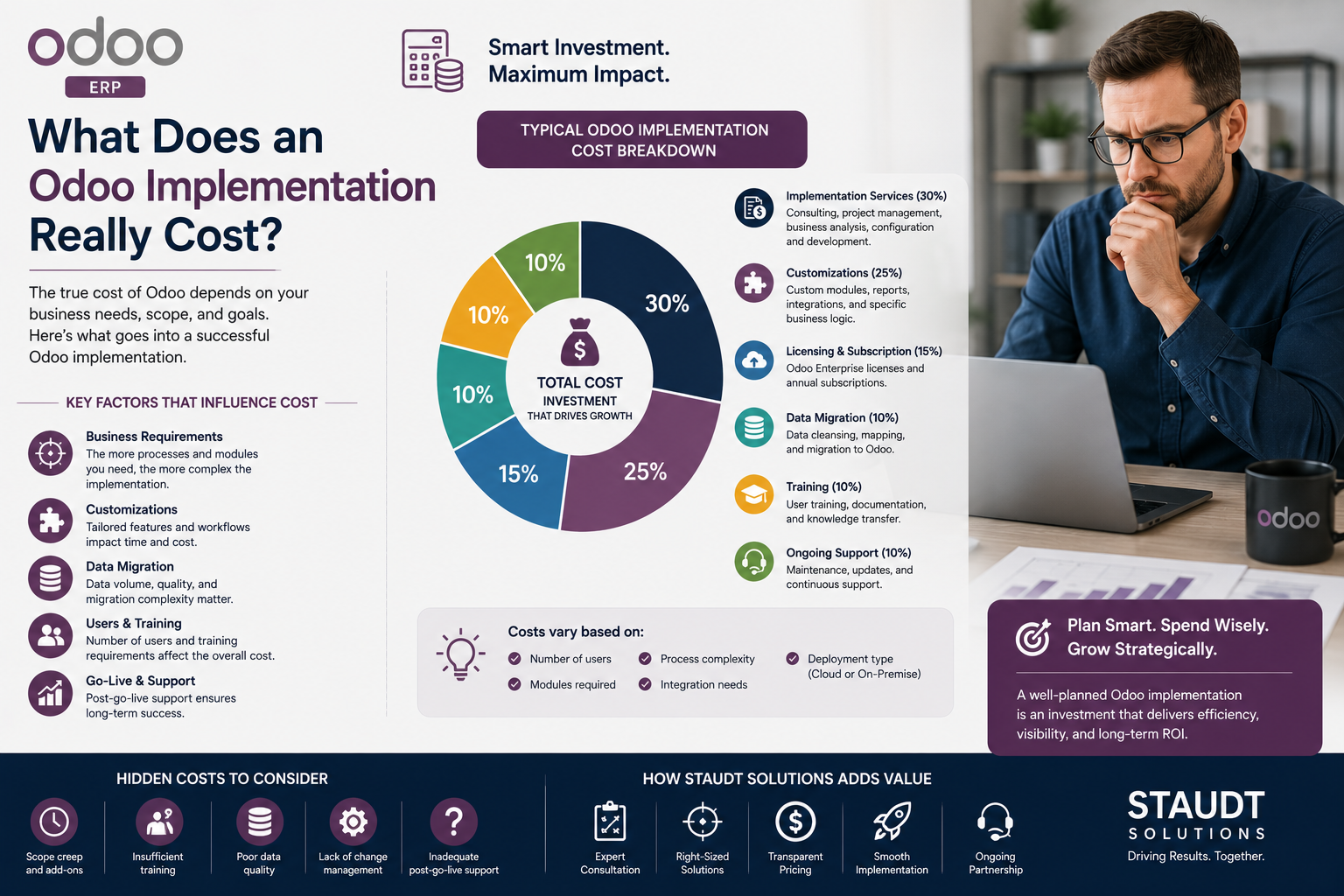
Odoo’s licensing itself is relatively low-cost and scales with users and modules. The real cost of an implementation isn’t the software license — it’s the implementation service around it: assessment, configuration, data migration, testing, training, and go-live support. That’s where the range widens significantly, and it depends on:
- Number of modules deployed (Inventory and Manufacturing alone vs. adding Purchasing, Sales, Accounting, Quality, Maintenance)
- Data migration complexity (clean, structured legacy data vs. years of inconsistent spreadsheets)
- Integration requirements (standalone system vs. connecting to existing accounting software, EDI, e-commerce, or customer portals)
- Process complexity (simple assembly vs. multi-level BOMs with complex routing)
- Customization needs (standard configuration vs. custom workflows or reports)
What a Realistic Range Looks Like for Small-to-Mid Manufacturers
For a manufacturer typically $8M in revenue and up implementing core modules (Inventory, Manufacturing, Purchasing, Accounting, Engineering, Sales), a properly scoped implementation typically falls in the upper-five-figure to low-six-figure range, with more complex projects — multiple integrations, significant data cleanup, custom reporting — running higher. Anyone quoting a number without first understanding your process complexity and data state is guessing, not scoping.
Where the Hidden Costs Usually Show Up
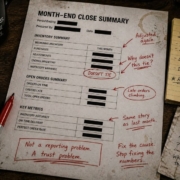
Data cleanup. This is consistently the most underestimated cost. Manufacturers moving off spreadsheets or a legacy system often assume their data is “good enough” to migrate as-is. It rarely is, and the cleanup effort — however unglamorous — directly determines whether the new system produces trustworthy numbers from day one.
Change orders from unclear scope. Projects quoted without a readiness assessment upfront are the ones most likely to hit scope creep, because nobody mapped the real complexity before pricing the work.
Post-go-live support. Some quotes stop at the launch date. The weeks immediately after go-live — when real production scenarios surface issues testing didn’t catch — need to be budgeted as part of the project, not treated as a separate, unplanned expense.
Training that has to be redone. Training done once, right before go-live, often needs to be repeated once the team is actually using the system under real conditions. Budgeting for a single training pass usually means budgeting for it twice.
How to Get an Accurate Number for Your Business
The only reliable way to get a real cost estimate is a readiness assessment first — a scoped evaluation of your current processes, data quality, and integration needs, priced separately and completed before you commit to full implementation pricing. This costs a fraction of the full project and gives you an accurate budget range instead of a guess, along with a chance to evaluate the partner’s process before committing to the bigger spend.
Bottom Line
Any vendor who gives you a firm implementation price without first assessing your data, your processes, and your integration needs is pricing based on assumptions, not your actual business. The manufacturers who end up with cost overruns are almost always the ones who skipped that step and went straight to a number.
Author Profile

- Principal Advisor | Business Systems Architect | Manufacturing & Operations | Helping Owners Replace Spreadsheets with Scalable Systems.